ADU Design & Construction in Pasadena, CA
If you own a home in Pasadena and you’re thinking about adding an accessory dwelling unit (ADU), this guide walks you through the decisions that matter most: feasibility, design, permitting, and construction. Our goal is to help you move from “I want an ADU” to a permit-ready plan and a realistic build timeline.
Note: ADU rules can change and can vary by jurisdiction. Always confirm requirements with your local building department or a licensed professional before making decisions.
Quick navigation
Why build an ADU in Pasadena?
Feasibility: what we check first
Design priorities that keep permitting smooth
Typical timeline (design → permit → build)
Cost drivers (and how to control them)
FAQs
Next steps
Why build an ADU in Pasadena?
Homeowners in Pasadena build ADUs for a few common reasons:
Rental income (long-term or mid-term)
Multi-generational living (privacy for family while staying close)
Work-from-home flexibility (office/guest suite with its own bathroom)
Future-proofing (aging-in-place layouts, one-story living options)
The key is designing the unit around your property constraints and your real goal (cashflow, family, resale, or lifestyle). The right design choice early can prevent expensive redraws later.
Feasibility: what we check first
Before we draw anything, we confirm feasibility. This is where most ADU projects either become simple—or become expensive.
Site constraints: lot shape, access, slope, utility locations, trees, and existing structures.
ADU type fit: detached ADU vs attached ADU vs garage conversion vs JADU.
Setbacks & separation: where the unit can physically sit without triggering avoidable design conflicts.
Parking & driveway: whether access and layout meet practical needs (even when parking isn’t “required”, it’s still a usability concern).
Utilities: how we’ll route water, sewer, electric (and gas, if applicable) cleanly and code-compliantly.
For reference: you can see our ADU design service here: ADU Design. If you’re exploring ADU types, start here: Types of ADUs.
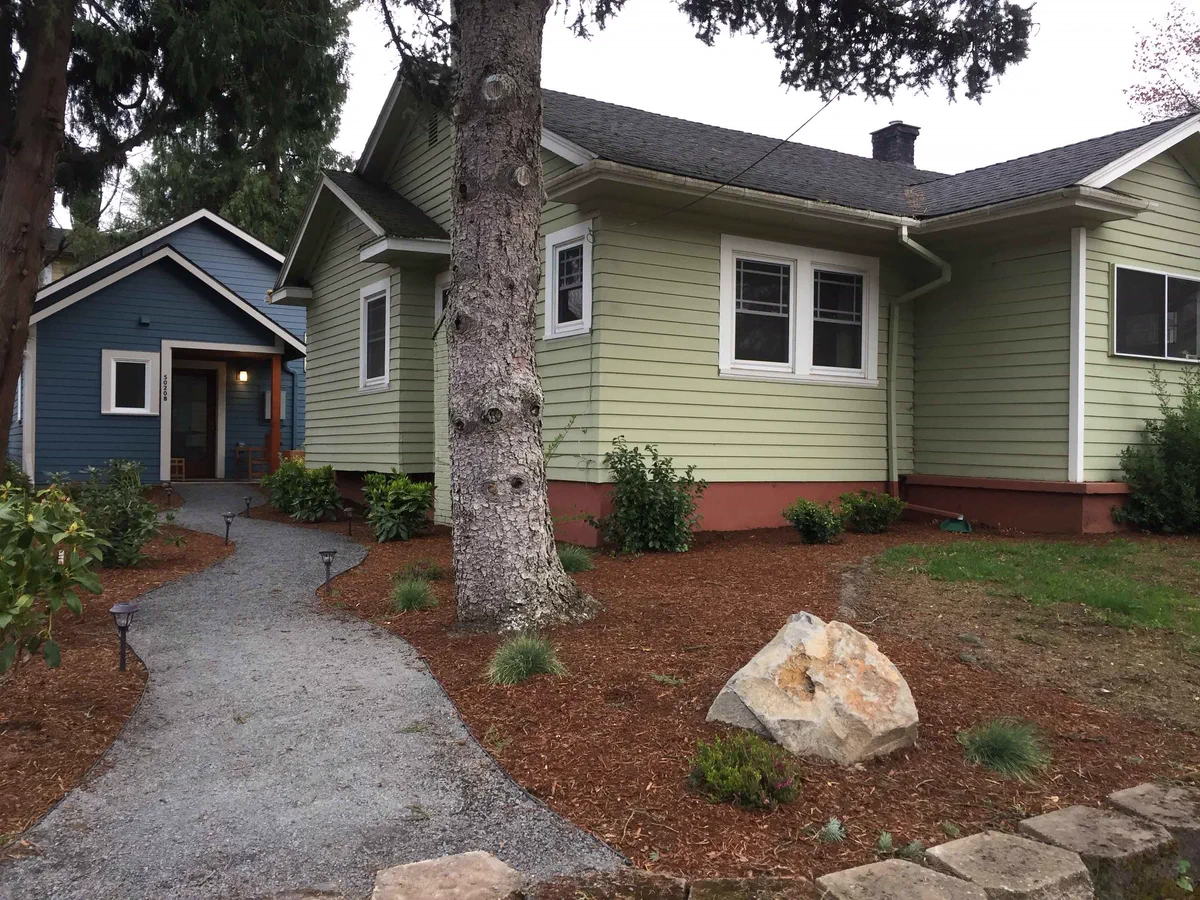
Design priorities that keep permitting smooth
Great ADU design isn’t just “pretty”—it’s permit-ready. Here are the choices that usually make the biggest difference in review time and build cost:
Keep plumbing stacked and short. Concentrate kitchen + bath + laundry walls to reduce trenching and long utility runs.
Design around structure, not against it. Especially for garage conversions, the existing slab, framing, and roof often dictate the smartest layout.
Daylight + privacy planning. Window placement matters for livability and neighbor relationships.
Simple rooflines, efficient envelopes. Complex shapes can cost more and add inspection friction.
Think about HVAC early. Placement, noise, and line runs should be planned before walls are final.
Typical timeline (design → permit → build)
Every property is different, but a typical workflow looks like this:
Feasibility + concept: confirm the right ADU type and layout direction.
Permit-ready plans: architectural + structural + any required engineering.
Permit review: respond to comments, revise if needed, obtain approval.
Construction: demo (if needed), foundation/framing, MEP, finishes, final inspections.
If permitting support is a priority, see: Permitting.
Cost drivers (and how to control them)
ADU budgets swing based on a few predictable drivers:
Utility complexity: long trench runs, upgrades, or hard tie-ins add cost.
Existing structure condition: garage conversions can be cost-effective, but only if the structure is in good shape.
Size and finish level: bigger and higher-end finishes raise cost (naturally), but smart layouts can keep square footage efficient.
Site access: tight access can increase labor time and staging complexity.
The best way to keep costs controlled is to decide early: what’s essential, what’s a nice-to-have, and where flexibility exists (layout, finishes, or schedule).
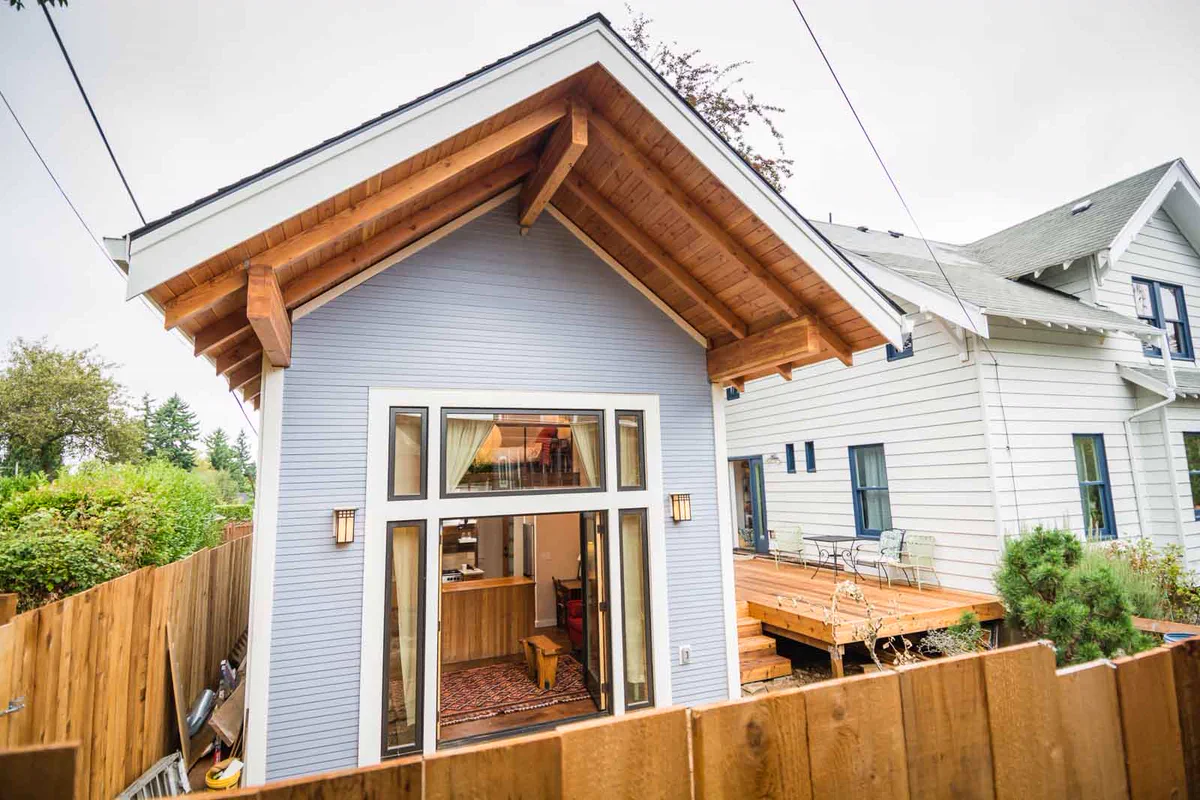
FAQs: Pasadena ADUs
Which ADU type is most cost-effective?
Often a garage conversion or a JADU can be cost-effective because you’re reusing structure. Detached ADUs can be ideal for privacy and rental value, but usually have higher site/utility scope.
Do I need a designer, engineer, and contractor?
Most successful ADU projects coordinate these roles tightly. Even when one team handles multiple scopes, you still want clear accountability for plans, permitting responses, and field execution.
What should I prepare before I start?
Any existing plans/surveys you have
Photos of the yard, driveway, side setbacks, and any existing garage
Your goal (rental, family, office, resale)
Your target timeline and budget range
Next steps
If you want an ADU in Pasadena and want to start with a realistic feasibility and plan direction, explore the city page here: ADU Design in Pasadena.
Or contact Uni Construction and we’ll help you map out the fastest path to a permit-ready ADU plan: Contact.
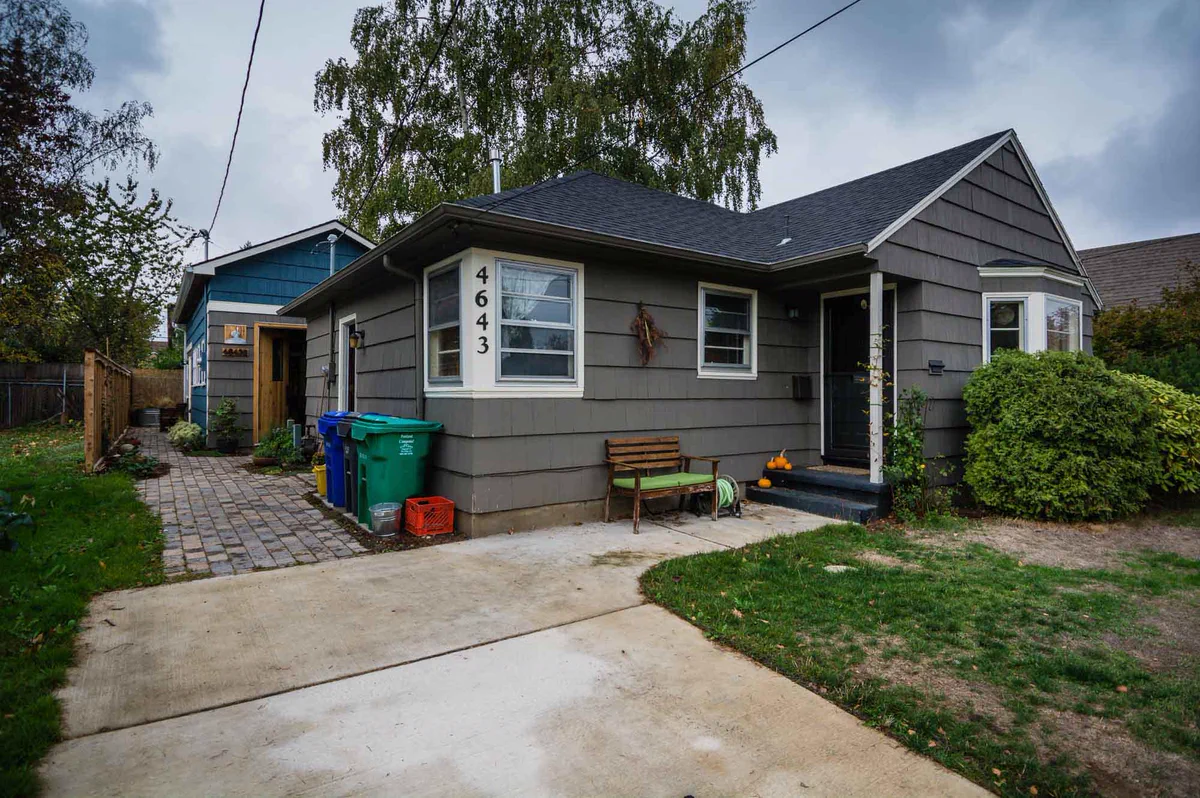
Photo credits: buildinganadu.com (used with permission; please credit and link back). Source: https://www.buildinganadu.com/aduphotos